
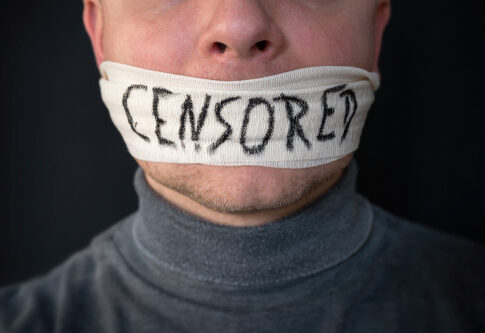
Canada’s government just appointed an antifascist activist from a politically charged group to its online safety panel, raising alarms over biased censorship risks.
Panel Reconvened Amid Free Speech Concerns
Minister Marc Miller announced the reconvened Expert Advisory Group on Online Safety in March 2026 through Canadian Heritage. The panel includes Bernie Farber, Founding Chair Emeritus of the Canadian Anti-Hate Network. This group aims to address new and emerging online harms. Critics immediately questioned the choice, citing CAHN’s activist history. The appointment revives debates on government reliance on ideologically driven advisors for policy shaping free expression online.
CAHN’s Activist Roots and Track Record
The Canadian Anti-Hate Network, founded by Farber, focuses on exposing far-right extremists, white supremacists, and online hate propaganda. CAHN describes itself as proudly independent, antifascist, and inherently political. Board member Richard Warman secured 16 human rights tribunal victories against internet hate since 2001. While proponents value this expertise against extremism, opponents argue it biases toward aggressive content takedowns over protecting open discourse. This stance mirrors broader tensions between safety and liberty.
Police intimidating citizens who question the government has been happening in Canada for some time!
Free speech is dead in Canada.
___The RCMP just cautioned me with "provoking, intimidating and doxxing" a peace officer for practicing journalism!
📽️ 8 NOV, 2025 https://t.co/wpeK2UOBut pic.twitter.com/W93slhSnJK
— Dacey Media (@chrisdacey) March 17, 2026
Link to Failed Online Harms Legislation
Prior to 2022, the original advisory group influenced Bill C-63, the Online Harms Act, designed to regulate harmful online content. The bill collapsed in Parliament in January 2025 amid controversy over its potential for overreach. Reconvening the panel now, with Farber aboard, prompts questions about repeating past mistakes. Government statements emphasize tackling emerging issues, yet lack assurances of viewpoint balance. Free speech advocates see this as a red flag for renewed censorship pushes.
Stakeholders and Criticisms Mount
Other members include Queen’s University professor Amarnath Amarasingam and activist Chanae Parsons, blending academic and community perspectives. Minister Miller holds appointment authority, drawing on CAHN-linked input despite bias concerns. Media outlets like Western Standard call Farber’s selection the wrong call, urging neutral scholars instead. JunoNews echoes worries that activist influence undermines policy objectivity. Canadians on both political sides express frustration with elite-driven decisions eroding foundational freedoms.
Short-term, the move fuels debate on panel neutrality, possibly stalling progress. Long-term, it risks online safety rules tilted toward one ideology, pressuring platforms to moderate content per CAHN’s extremism definitions. Free speech defenders and digital users face heightened scrutiny, while anti-hate efforts gain sway. This reflects growing bipartisan distrust in government prioritizing insiders over public interests, echoing American concerns with deep state overreach under any administration.
Sources:
OLDCORN: Canadian Anti-Hate Network founder on Ottawa’s ‘online safety panel’ is the wrong call
About the Canadian Anti-Hate Network
Feds appoint online safety advisory
Government of Canada reconvenes the Expert Advisory Group on Online Safety
Canada Reconvenes Expert Group on Online Safety
So Canada is becoming a Fascist country