
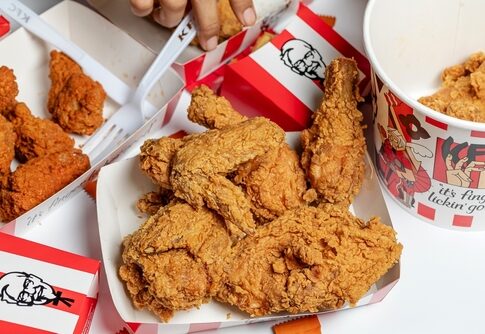
A single cyberattack on Japan’s top frozen food supplier has rippled through the country’s food chain, forcing KFC and a major sushi chain to warn customers they may soon run out of key ingredients.
Story Snapshot
- A cyberattack on Nichirei froze cold‑storage and frozen‑food shipping across Japan, halting core logistics.
- KFC Japan warns of chicken shortages, app shutdowns, shorter hours, and possible temporary store closures.
- Kura Sushi and other restaurant groups face seafood and ingredient shortages as deliveries stall.
- The incident fits a growing pattern of supply‑chain cyberattacks hitting Japanese food, drink, and transport firms.
Cyberattack Freezes Japan’s Food Cold Chain
On July 13, 2026, Japanese food giant Nichirei Corporation reported a system failure caused by unauthorized access into its core networks. The company said the attack hit logistics systems that control cold‑storage warehouses and frozen‑food shipping operations across its domestic group. As a result, receiving and shipping at cold warehouses stopped or were severely delayed, and frozen food deliveries to clients around Japan were disrupted. Investigators have not confirmed any leak of customer or personal data so far, but recovery timing remains unknown.
Nichirei is one of Japan’s largest frozen‑food makers and a leading cold‑chain logistics provider, which means many restaurant brands depend on it as a single hub for storage and delivery. When its systems went down, backup options were limited because the cold‑chain relies on real‑time warehouse management and temperature control. Industry analysts say this kind of “single point of failure” at third‑party logistics firms has caused similar crises in Japan’s food sector several times a year since 2022. That makes this attack part of a wider trend, not an isolated event.
KFC Japan Warns Of Chicken Shortages And Closures
Kentucky Fried Chicken Japan contracts Nichirei to deliver major ingredients, especially frozen chicken used in its signature meals. After the cyberattack, KFC Japan announced that key ingredient shipments were delayed, and it might have to limit menu items, shorten operating hours, or temporarily close some restaurants. The company already suspended orders through its official app and stopped delivery services, including third‑party platforms, because it cannot guarantee supply. KFC said it has no clear timeline for when operations will return to normal, since that depends on Nichirei’s system recovery.
Reports and social media posts in Japan note that customers are seeing online orders blocked and some locations already running low on stock. KFC has warned that partial product shortages could hit all stores nationwide if logistics are not restored quickly. For many Japanese families, especially those in cities, KFC is a regular and fairly affordable choice for eating out. This disruption shows how a strike on one logistics company can quickly reach everyday life, even when the attack is aimed at corporate systems rather than consumers directly.
Major Sushi Chain And Other Brands Feel The Pain
The impact is not limited to fried chicken. Nichirei’s cold‑storage and frozen‑seafood role also supports sushi chains and other restaurant groups. Spanish news agency reports say a major conveyor‑belt sushi chain, Kura Sushi, is facing shortages as seafood and other frozen ingredients fail to arrive on schedule. The same report notes that TableMark, Aeon, and other food brands are experiencing disruptions tied to the Nichirei outage, raising the risk of wider menu limits or temporary closures in coming days. For now, companies are trying to shuffle stock and use manual workarounds, but those fixes are slow and costly.
🚨Cyber Alert [Fourth Update Nichirei Related]‼️
🇯🇵Japan – TableMark, Aeon and Kura Sushi
The Nichirei cyberattack continues to disrupt Japan’s food supply chain, affecting refrigerated warehouse operations and frozen food shipments.
In addition to KFC Japan, Hotto Motto and… https://t.co/aKvl5qxU0f pic.twitter.com/EMdU6xio3Z
— Hackmanac (@H4ckmanac) July 15, 2026
This is only the latest in a string of cyber incidents hitting key Japanese suppliers and service providers. In early July, several big Japanese firms disclosed attacks involving unauthorized access, data breaches, and ransomware across insurance, telecom, manufacturing, and beverage sectors. Japan’s largest beer brewer, Asahi, recently had to suspend operations at many production sites after a cyberattack caused a major system outage. A separate attack on transport company Nihon Kotsu knocked out taxi dispatch and reservation systems in major cities. Together, these cases show how hackers are learning to choke supply lines, not just steal data.
Why This Matters For American Conservatives
For American readers, this story is a warning about how fragile modern supply chains can be when they lean too heavily on centralized digital systems. One successful hack in Japan now threatens basic food service for millions of families, even though no physical damage occurred. That kind of digital chokehold is exactly what foreign adversaries or criminal gangs could try against the United States if our own food, fuel, and transport networks are not hardened. When enemies can freeze warehouses and trucks with code, they do not need tanks or missiles to create chaos.
The Trump administration has pushed for better national resilience, stronger borders, and tougher stances on hostile regimes, including in the cyber domain. But stories like Nichirei show that every free nation still faces real risk when corporations underinvest in security or rely on global tech without strong backup plans. For conservatives who care about self‑reliance, local control, and protecting families from distant bureaucrats or foreign hackers, Japan’s crisis is a clear case study. Cybersecurity is no longer just an “IT problem”; it is a supply‑chain and kitchen‑table problem that can decide whether your family can buy basic food tomorrow.
Sources:
insiderpaper.com, straitstimes.com, nichirei.co.jp, cybersecurity-info.com, note.com, bbc.com, therealistjuggernaut.com, ft.com, kaseya.com, arcticwolf.com