
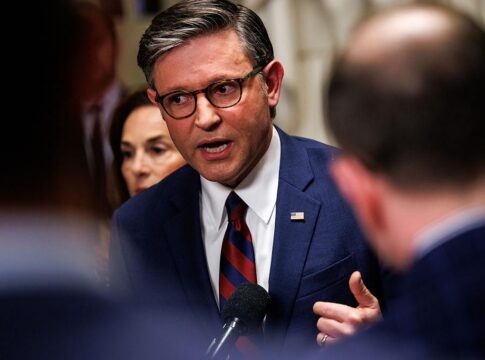
Republican leadership faces mounting internal conflicts as House GOP members clash over policy direction and party strategy, while the Senate shows signs of fracturing unity that previously held the chamber together through contentious votes.
House GOP Turmoil Deepens
House Republicans struggle with internal divisions that threaten legislative priorities and leadership authority. Conservative factions demand stronger fiscal policies while moderates push for compromise on key issues. The split creates uncertainty about the party’s ability to advance major legislation. Leadership faces pressure from all sides as members publicly criticize party direction. The dysfunction mirrors challenges that plagued previous Republican majorities when internal disagreements stalled important votes.
The discord extends beyond policy disagreements into personal conflicts between members. Several representatives openly question leadership decisions while others threaten to withhold support on procedural votes. These tensions complicate efforts to maintain party discipline on crucial matters including budget legislation and appropriations bills. The fractures expose deeper ideological rifts that could shape the party’s future direction and electoral prospects heading into the next cycle.
Senate Unity Shows Cracks
The Senate Republican caucus, traditionally more unified than House counterparts, now displays concerning signs of division. Senators who previously voted together on major issues now split on procedural matters and policy details. While the chamber maintains better cohesion than the House, the deteriorating solidarity threatens the party’s ability to block opposition initiatives or advance its own agenda effectively through the upper chamber.
What This Means for Governance
The dual challenges in both chambers create obstacles for Republican legislative goals and party messaging. Leadership must navigate competing demands from different factions while maintaining enough unity to function effectively. The situation raises questions about the party’s capacity to govern cohesively and present a united front on critical issues. These internal struggles could impact constituent services, policy outcomes, and the party’s standing with voters who expect results from their elected representatives. The coming weeks will test whether Republican leaders can restore order and focus members on shared priorities.