
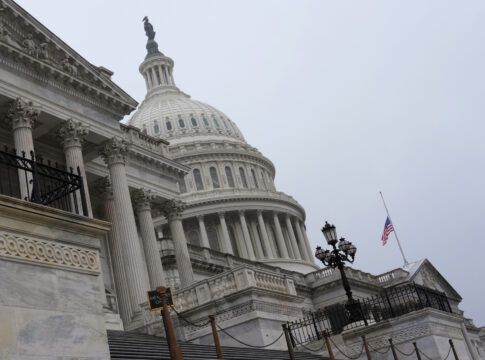
Congress will decide this month whether the FBI can continue accessing Americans’ private communications without a warrant. The Section 702 surveillance program expires April 20, placing lawmakers at a crossroads between national security and constitutional protections.
How Section 702 Operates
Section 702 allows U.S. intelligence agencies to collect emails, texts, and phone calls from foreign nationals abroad. Americans’ communications get swept into this database when they contact foreign targets. The FBI can search this collection without obtaining a warrant or showing probable cause. In 2024, Congress added some restrictions, but a proposal requiring warrants failed by just one vote in the House—splitting 212 to 212.
The Antifa Designation Concern
Security experts warn the administration’s broad classification of individuals and groups as associated with international terrorism creates new risks. Because Section 702 targets foreign intelligence, vague designations could pull peaceful protesters and civil society organizations into the surveillance dragnet. Recent reports from major news outlets suggest this expansion may already be underway. Without warrant requirements, Americans exercising First Amendment rights could face monitoring without judicial oversight or probable cause findings.
Constitutional Stakes Rising
Federal courts have found the administration violated First and Fourth Amendment rights in related domains. Internal executive branch oversight structures have weakened significantly. The President’s Intelligence Advisory Board warned in 2023 that losing Section 702’s core function—intercepting actual foreign threats—would rank among the worst intelligence failures in American history. Supporters argue warrantless access prevents terrorism. Critics counter that constitutional protections matter most when government power expands.
What Happens Next
Congress must act before April 20 or Section 702 sunsets completely. The warrant requirement debate returns with higher stakes than 2024. Public tolerance for surveillance programs depends on preventing obvious abuses. If Americans see the government targeting peaceful citizens based on political labels, support for even legitimate intelligence gathering could collapse. The coming weeks will determine whether the FBI needs a judge’s approval before reading Americans’ private messages.
Sources
Justsecurity: Bogus Antifa Designations and FBI Warrantless Access to Americans’ Communications