
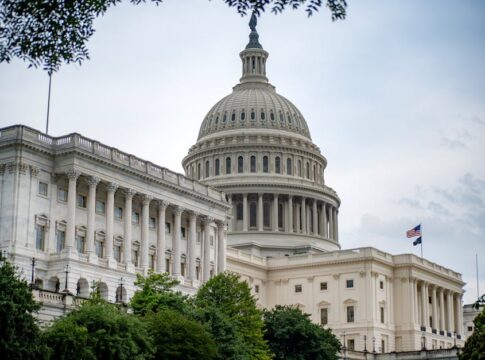
Congress voted Friday to extend the Foreign Intelligence Surveillance Act for 10 days after failing to secure a long-term renewal. The controversial law allows intelligence agencies to collect digital communications without warrants, sparking fierce debate over Americans’ constitutional rights.
What Section 702 Allows
Section 702, added in 2008, permits the National Security Agency to spy on foreigners using American digital infrastructure. The provision sweeps up communications from Americans who contact targeted foreigners. Intelligence agencies can search this data without obtaining warrants from judges, a practice critics call a “backdoor search” loophole that violates Fourth Amendment protections against unreasonable searches. The American Civil Liberties Union warns the government conducts mass, warrantless surveillance of phone calls, texts, and emails from both Americans and foreigners.
National security officials defend Section 702 as vital for disrupting terrorist plots, foreign espionage, drug trafficking, and cyber attacks. They argue requiring warrants would slow operations and reduce effectiveness. Officials say they often run queries to identify potential victims or prevent crimes, purposes that might not qualify for warrant approval.
Congressional Battle Lines
Lawmakers from both parties want to close the backdoor search loophole. Senate Majority Leader John Thune signaled potential reforms but made no guarantees. The Trump administration pushed Republicans to accept an 18-month extension without changes, but bipartisan opposition blocked it. President Trump previously claimed he was a victim of illegal surveillance abuse during his 2016 and 2020 campaigns. The House and Senate unanimously approved the temporary extension through April 30, buying time for further negotiations on long-term reforms.
Constitutional Concerns
The Foreign Intelligence Surveillance Court, established by Congress, reviews government applications for electronic surveillance and searches under the law. It ensures the NSA follows constitutional requirements and protects Americans from unreasonable searches. The NSA partners with law enforcement like the FBI to connect foreign actors with their activities inside the United States. Information collected without warrants can be used to prosecute Americans for crimes unrelated to national security, raising concerns about constitutional overreach and potential abuse of surveillance powers.